
El stack y el reach en el ciclismo / Stack & reach in cycling
Porque estas dos variables son importantes a la hora de escoger una determinada bici
12/1/20252 min read
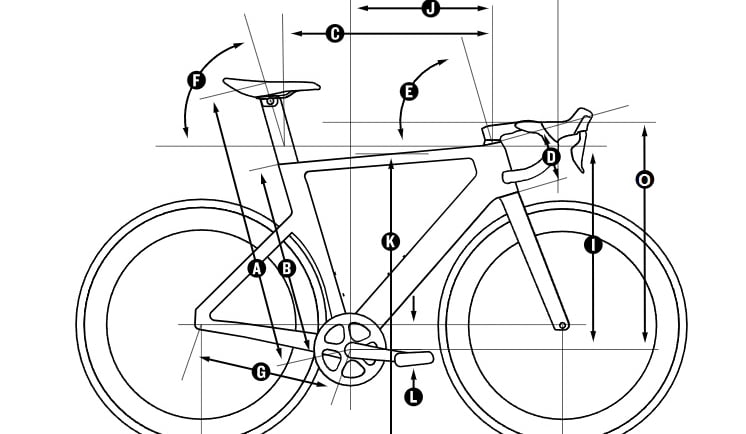
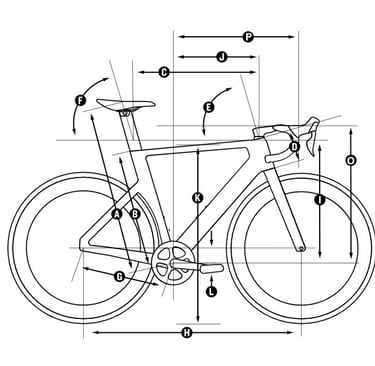
En la industria ciclista, stack y reach son parámetros fundamentales para caracterizar la geometría de un cuadro de manera independiente de la talla. Permiten comparar bicicletas de distintos tamaños de forma objetiva y son determinantes para la postura del ciclista y la dinámica de manejo.
1. Stack
Definición técnica: Es la distancia vertical desde el eje del pedalier hasta el centro del tubo de dirección.
Interpretación: Indica la altura efectiva del cuadro en la zona del manillar.
Impacto en la ergonomía y desempeño:
Stack elevado → postura más erguida, reduce la tensión lumbar y en hombros; aumenta el confort en recorridos largos o terrenos técnicos.
Stack bajo → postura más aerodinámica y agresiva; favorece la eficiencia en velocidad y la transferencia de potencia en rutas o competición.
2. Reach
Definición técnica: Es la distancia horizontal desde el eje del pedalier hasta el centro del tubo de dirección.
Interpretación: Representa la longitud efectiva del cuadro hacia adelante, determinando la posición horizontal del ciclista respecto al eje del pedalier.
Impacto en la dinámica de la bicicleta:
Reach largo → bicicleta más estable a alta velocidad y en descensos; mejor distribución del peso.
Reach corto → bicicleta más compacta y ágil; facilita cambios rápidos de dirección y maniobras técnicas.
A la hora de seleccionar una bicicleta, conocer la talla de la bici que utilizamos actualmente nos permite compararla con otros modelos para determinar si son más grandes o más pequeñas. Esto resulta especialmente útil al comparar bicicletas de distintas marcas, ya que en algunos casos podemos usar una talla S en una marca y una M en otra, y aun así encontrarnos con geometrías muy similares.
Es importante recordar que, ante cualquier duda sobre la talla o la postura adecuada, lo más recomendable es consultar con un biomecánico de confianza, quien podrá orientar sobre la geometría más apropiada para nuestro cuerpo y estilo de conducción.
In the cycling industry, stack and reach are fundamental parameters for characterizing a bike frame's geometry independently of size. These measurements allow for an objective comparison of bicycles of different sizes and are critical for both rider posture and handling dynamics.
1. Stack
Technical definition: Vertical distance from the bottom bracket axis to the center of the head tube.
Interpretation: Represents the effective height of the frame in the handlebar area.
Impact on ergonomics and performance:
High stack → more upright posture, reduces lumbar and shoulder strain; increases comfort on long rides or technical terrain.
Low stack → more aerodynamic and aggressive posture; enhances speed efficiency and power transfer on road or racing bikes.
2. Reach
Technical definition: Horizontal distance from the bottom bracket axis to the center of the head tube.
Interpretation: Determines the horizontal extension of the frame and the rider's position relative to the bottom bracket.
Impact on bike dynamics:
Long reach → greater stability at high speeds and during descents; better weight distribution.
Short reach → more compact and agile bike; facilitates quick directional changes and technical maneuvers.
When selecting a bicycle, knowing the size of your current bike allows you to compare it with other models to determine if they are larger or smaller. This is particularly useful when comparing bikes from different brands, as you may use a size S in one brand and a size M in another, yet find that the geometries are very similar.
It is important to remember that if you have any doubts about the appropriate size or riding position, it is highly recommended to consult a trusted bike fitter, who can guide you toward the geometry best suited for your body and riding style.